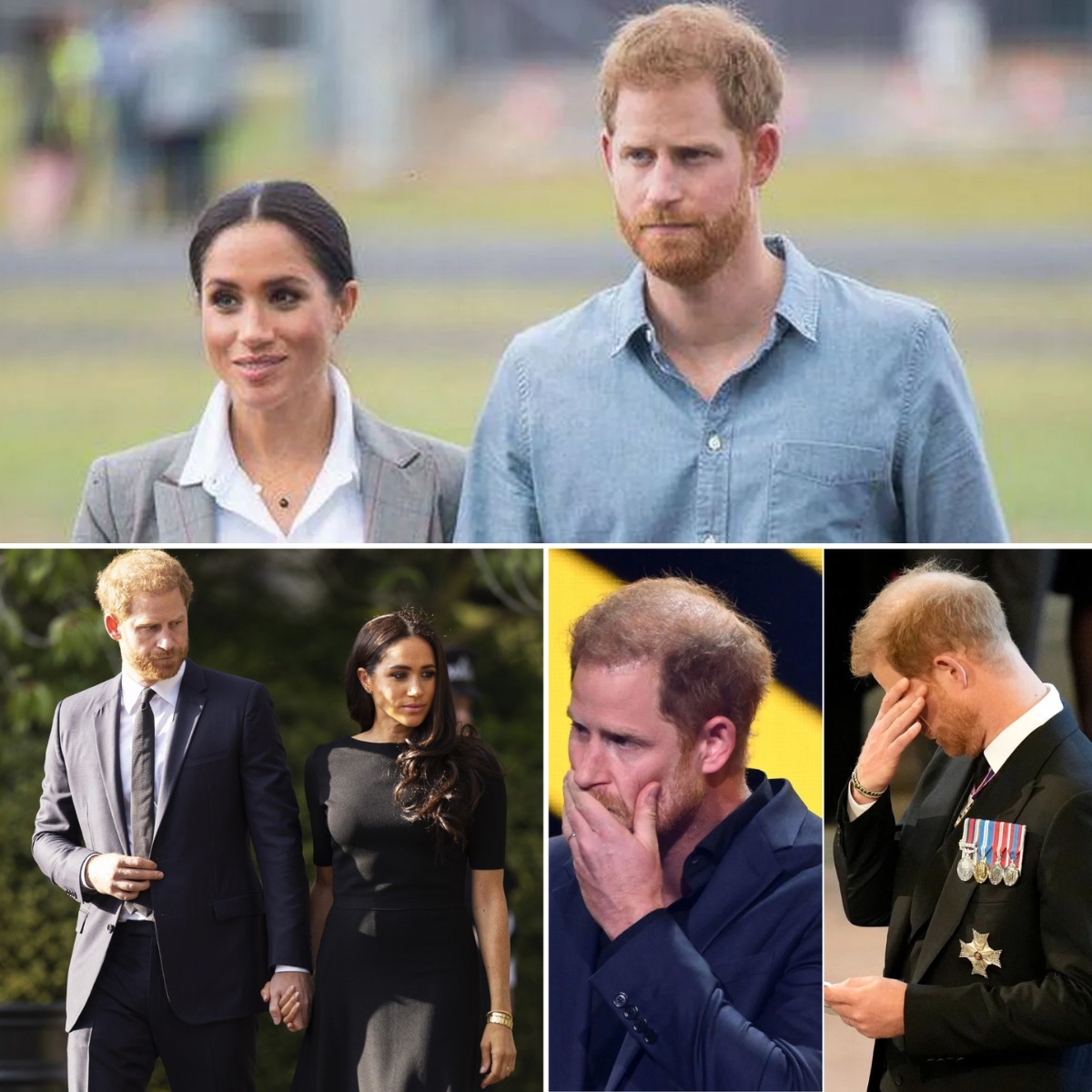
Instead, according to multiple insiders, the doors didn’t just fail to open — they slammed shut. And when the reality finally sank in, Meghan reportedly “lost it.”
What was once whispered as a potential Sussex triumph has now hardened into an uncomfortable truth: the proposed Australia tour didn’t merely fall apart. It quietly collapsed.
Behind the scenes, emails went unanswered. Phone calls stalled. Tentative discussions evaporated without explanation. What was initially framed as “scheduling challenges” is now being described by sources as something far more damaging — a collective refusal.
According to those familiar with the situation, Meghan had expected Australia to roll out the red carpet. Historically, the country has been one of the monarchy’s most enthusiastic supporters, and during their early royal years, Harry and Meghan enjoyed massive crowds and glowing media coverage there. That memory, insiders say, shaped expectations going into the planning stages of this tour.
But Australia in 2025 was not Australia in 2018.
Organizers reportedly hesitated almost immediately. While the Sussexes’ team reached out to venues, cultural institutions, and event partners, the response was described as “polite silence at best.” No formal rejections. No dramatic refusals. Just an absence of momentum — and a growing realization that no one was willing to commit.

That silence, sources say, was deafening.
Behind closed doors, Meghan is rumored to have taken the rejection particularly hard. Insiders claim she believed Australia would be the place where the Sussex brand could reset — a friendly, high-profile stage to reassert relevance, command attention, and remind the world of their star power. Instead, she encountered what one source bluntly described as “brand fatigue.”
The issue, according to industry insiders, wasn’t hostility. It was hesitation.
Event organizers reportedly worried about controversy overshadowing content. Sponsors were said to be cautious, unsure whether the Sussexes still carried enough public goodwill to justify the risk. Media partners questioned whether coverage would energize audiences or inflame divisions. In short, the Sussex name no longer guaranteed success — and in some rooms, it raised red flags.
For Harry, the collapse reportedly felt like another erosion of status. Australia had once symbolized everything he loved about royal life: warmth, connection, admiration. To face indifference there — not outrage, not protest, just indifference — cut deeper than open criticism ever could.
But for Meghan, insiders suggest, the moment was explosive.

Sources describe growing frustration as plans stalled and optimism gave way to confusion. The expectation had been simple: Australia would welcome them because of who they are. When that assumption proved false, tensions reportedly rose behind the scenes. What was meant to be a strategic comeback began to look like a reputational reckoning.
And that’s where the narrative shifts.
Because according to multiple royal watchers and branding experts, this wasn’t just a failed tour. It may have been the moment the Sussex brand hit a wall.
For years, Harry and Meghan have operated on the belief that global appeal could substitute for institutional backing. That celebrity, advocacy, and media visibility could open doors once unlocked by royal authority. In some markets, that theory held. In others, it’s now faltering.
Australia, with its deep ties to the Crown and increasingly pragmatic media landscape, may have been the first place where the disconnect became impossible to ignore.
Insiders note that the refusal wasn’t loud or dramatic — which made it more powerful. No statements. No backlash. Just a quiet, collective step back. In branding terms, that signals uncertainty. And uncertainty is far more dangerous than criticism.

Meanwhile, royal observers point out the timing could not be worse. As King Charles consolidates the monarchy’s future and Prince William steps more confidently into global leadership, the contrast has sharpened. Institutional monarchy is projecting stability. The Sussexes, by comparison, appear increasingly unanchored.
Some believe Australia’s silence was not accidental, but aligned with broader signals coming from Buckingham Palace. While no direct instruction has ever been acknowledged, royal watchers argue that global institutions tend to read the room — and right now, the room is clearly favoring the working royals.
Whether intentional or not, the effect is the same.
The Sussexes are discovering that prestige cannot be demanded — and it cannot be assumed. It must be reinforced by relevance, trust, and institutional support. Without those pillars, even famous names can find themselves knocking on closed doors.
As for Meghan’s reported reaction, insiders say the emotional toll was real. The expectation of deference collided with a new global reality — one where titles carry less weight, and reputation carries more scrutiny. That realization, sources claim, has forced difficult conversations about strategy, positioning, and the future.
Publicly, the tour was never announced. Privately, its failure is being described as a wake-up call.
Australia didn’t boo.
It didn’t protest.
It didn’t explain.
It simply didn’t show up.
And for Harry and Meghan, that may have been the loudest message of all.